
31 May 10 Signs Your Nervous System Is Stuck in Fight-or-Flight Mode
Introduction
Many people experience symptoms such as a racing heart, trouble sleeping, constant worry, muscle tension, and feeling on edge throughout the day. These experiences are often referred to as fight or flight symptoms and may occur when the body’s stress response remains activated for extended periods.
The fight-or-flight response is designed to protect us from danger. However, when chronic stress keeps this system switched on, the nervous system may remain stuck in survival mode even when there is no immediate threat.
What Is the Fight-or-Flight Response?
The fight-or-flight response is an automatic survival mechanism controlled by the autonomic nervous system.
When the brain detects danger, stress hormones such as adrenaline and cortisol are released. These hormones prepare the body to react quickly by increasing heart rate, sharpening focus, and redirecting energy toward survival.
While this response can be helpful during emergencies, chronic activation may contribute to ongoing stress and anxiety symptoms.
1. A Racing Heart
One of the most common fight or flight symptoms is a rapid heartbeat.
Many people notice their heart racing while resting, during stressful situations, or even while trying to fall asleep at night.
2. Constant Worry and Overthinking
When the nervous system remains on high alert, the brain continuously scans for potential threats.
This may lead to excessive worrying, overanalyzing situations, and difficulty turning off racing thoughts.
3. Trouble Falling or Staying Asleep
An activated stress response can make it difficult for the body to enter a restful state.
People may struggle to fall asleep, wake frequently throughout the night, or wake up feeling anxious.
4. Muscle Tension
Chronic stress often causes muscles to remain partially contracted.
This can contribute to tight shoulders, neck pain, jaw clenching, headaches, and general body tension.
5. Digestive Issues
The body prioritizes survival over digestion during periods of stress.
As a result, some people experience stomach discomfort, nausea, bloating, or changes in bowel habits.
6. Feeling On Edge
People with an activated fight-or-flight response often describe feeling restless, jumpy, or unable to relax even when everything seems fine.
7. Brain Fog
Stress can affect concentration, memory, and mental clarity.
Many individuals report difficulty focusing or completing simple tasks when under chronic stress.
8. Dizziness or Lightheadedness
Changes in breathing patterns and stress hormone levels may contribute to feelings of dizziness or lightheadedness.
9. Fatigue
Although the body remains alert, chronic activation of the stress response can eventually become exhausting.
Many people feel tired throughout the day despite getting adequate sleep.
10. Increased Sensitivity to Stress
Small challenges may begin to feel overwhelming.
This reduced resilience is often a sign that the nervous system has been under strain for an extended period.
How to Support a Healthy Nervous System
Several lifestyle habits may help support relaxation and stress management:
- Consistent sleep schedule
- Daily movement and exercise
- Mindfulness practices
- Limiting caffeine and nicotine
- Deep breathing exercises
- Balanced nutrition
Certain nutrients and herbal ingredients may also help support a healthy stress response. Common examples include Ashwagandha, Rhodiola, Lemon Balm, Passion Flower, L-Theanine, GABA, Magnesium, and B vitamins.
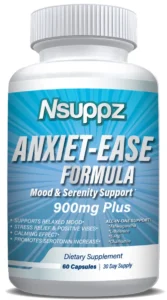
NutriSuppz Anxiet-Ease combines many of these ingredients into one formula designed to support relaxation, emotional wellness, and a balanced nervous system.*
Final Thoughts
Fight or flight symptoms can affect both the mind and body. Recognizing the signs of an overactive stress response is often the first step toward supporting a healthier, more balanced nervous system.

No Comments