
31 May 10 Signs Your Nervous System Is Stuck in Fight-or-Flight Mode
10 Signs Your Nervous System Is Stuck in Fight-or-Flight Mode
If you feel tense, restless, overwhelmed, or unable to fully relax, you may be experiencing fight or flight symptoms. This does not mean something is wrong with you. It often means your nervous system has been under stress for too long and is having trouble switching back into a calm state.
The fight-or-flight response is your body’s natural survival system. It is designed to protect you during danger. But when stress, poor sleep, overthinking, caffeine, emotional pressure, or anxiety keep this system activated, your body may begin acting like it is still in survival mode even when you are safe.
Quick answer: Common fight or flight symptoms include a racing heart, poor sleep, muscle tension, overthinking, digestive discomfort, dizziness, fatigue, and feeling constantly on edge.
What Does It Mean to Be Stuck in Fight-or-Flight?
Your nervous system has two important modes. One helps you respond to stress, danger, or pressure. The other helps you rest, digest, recover, and feel safe. A healthy body moves between these states naturally.
But when stress becomes constant, the body may stay alert for too long. This can make normal situations feel harder to handle. You may feel tired but wired, sleepy but unable to relax, or calm in your mind but tense in your body.
10 Common Fight or Flight Symptoms
1. Your Heart Races for No Clear Reason
A racing or pounding heart is one of the most noticeable fight or flight symptoms. It may happen during stress, while resting, or when you lie down at night. This happens because the body releases stress signals that prepare you to react quickly.
2. Your Mind Never Seems to Shut Off
When the nervous system is on high alert, the brain keeps scanning for problems. This can create overthinking, constant worrying, and the feeling that you cannot mentally relax even when nothing urgent is happening.
3. You Feel Tired but Still Wired
Many people with an overactive stress response feel exhausted during the day but strangely alert at night. This “tired but wired” feeling can happen when the body is craving rest, but the nervous system is still acting like it needs to stay ready.
4. You Have Trouble Falling or Staying Asleep
Sleep requires safety. If your body feels stressed, tense, or alert, it may resist deep rest. You may lie in bed thinking too much, wake up during the night, or wake in the morning already feeling anxious.
5. Your Muscles Feel Tight
Have you ever noticed your shoulders rising toward your ears during the day? Stress can keep muscles partially contracted. Over time, this may show up as neck tension, jaw clenching, headaches, back tightness, or a feeling that your body never fully lets go.
6. You Feel On Edge or Easily Startled
When your body is stuck in survival mode, small things can feel bigger than they really are. Loud sounds, unexpected messages, daily responsibilities, or even normal conversations may feel overwhelming.
7. Your Digestion Feels Off
During stress, the body shifts energy away from digestion and toward survival. This can contribute to bloating, stomach discomfort, nausea, appetite changes, or irregular digestion.
8. You Experience Brain Fog
Chronic stress can make it harder to focus, remember details, or think clearly. Brain fog does not always mean you are lazy or unmotivated. Sometimes it is a sign that your nervous system is overloaded.
9. You Feel Dizzy or Lightheaded
Stress can affect breathing patterns, muscle tension, and body awareness. Some people notice dizziness, lightheadedness, or an unsteady feeling when their anxiety or stress response is active.
10. Small Problems Feel Overwhelming
When your nervous system has been under pressure for too long, your stress tolerance may feel lower. Tasks that used to feel simple may suddenly feel heavy, irritating, or emotionally draining.
Why These Symptoms Happen
Fight or flight symptoms happen because the body is trying to protect you. When your brain senses stress, it sends signals through the nervous system that increase alertness, heart rate, and tension.
This response is not bad. It becomes uncomfortable when it stays switched on for too long. Chronic stress, poor sleep, emotional pressure, stimulants, and constant mental overload can all make it harder for the body to return to a calm state.
How to Calm Your Nervous System Naturally
Calming the nervous system usually works best through small, repeated signals of safety. You are teaching your body that it does not need to stay alert all the time.
- Practice slow breathing for two to five minutes.
- Take a gentle walk to release stress energy.
- Limit caffeine and nicotine, especially later in the day.
- Create a calming bedtime routine.
- Reduce screen time before sleep.
- Eat balanced meals to support stable energy.
- Use relaxation-supporting nutrients when appropriate.
Natural Ingredients That Support Stress Balance
Certain herbs, amino acids, vitamins, and minerals are commonly used to support relaxation, emotional wellness, and a healthy stress response. These include Ashwagandha, Rhodiola, GABA, L-Theanine, Lemon Balm, Chamomile, Passion Flower, Valerian Root, Magnesium, B vitamins, Bacopa, Magnolia Bark, Skullcap, and 5-HTP.
These ingredients work in different ways. Some help support calm focus, some are traditionally used for relaxation, and others support mood, sleep, or the body’s ability to adapt to stress.
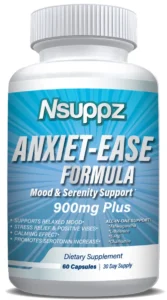
NutriSuppz Anxiet-Ease Support
NutriSuppz Anxiet-Ease combines calming herbs, adaptogens, amino acids, vitamins, and minerals designed to support relaxation, emotional wellness, and a balanced nervous system.*
When to Speak With a Healthcare Professional
Occasional stress is normal, but frequent or intense symptoms should not be ignored. Speak with a healthcare professional if your symptoms are affecting your sleep, work, relationships, or daily routine.
Seek medical help right away if you experience chest pain, fainting, severe shortness of breath, sudden weakness, or symptoms that feel unusual or severe for you.
Frequently Asked Questions
What are the most common fight or flight symptoms?
Common fight or flight symptoms include a racing heart, muscle tension, trouble sleeping, overthinking, digestive discomfort, brain fog, dizziness, fatigue, and feeling constantly on edge.
Can stress make my body feel physically sick?
Yes. Stress can affect the heart, muscles, digestion, sleep, breathing, and focus. This is why anxiety and chronic stress often create physical symptoms in the body.
How do I get out of fight-or-flight mode?
Slow breathing, better sleep habits, gentle movement, reducing stimulants, calming routines, and relaxation-supporting nutrients may help signal safety to the nervous system over time.
Can supplements help with fight or flight symptoms?
Supplements may support relaxation and stress balance, but they should not replace medical care. Ingredients such as Ashwagandha, L-Theanine, Lemon Balm, GABA, Magnesium, Passion Flower, and B vitamins are commonly used for nervous system support.
Final Thoughts
Fight or flight symptoms can feel scary, but they are often your body’s way of saying it has been under too much stress for too long. A racing heart, poor sleep, tense muscles, overthinking, fatigue, and feeling on edge may all be signs that your nervous system needs more support.
By building calming habits, supporting your body with balanced nutrition, and understanding what your symptoms mean, you can begin helping your nervous system move out of survival mode and back toward balance.
*These statements have not been evaluated by the Food and Drug Administration. This product is not intended to diagnose, treat, cure, or prevent any disease.

No Comments