
The Definitive Anxiety Blueprint: The Real Science Behind Why You Feel This Way (2025 Updated)
The Definitive Anxiety Blueprint reveals the true biological science behind anxiety. Anxiety is not a personality flaw — it’s a whole-body state driven by the nervous system, hormones, gut-brain signals, sleep rhythms, and evolutionary survival wiring. This guide uncovers what most articles miss: the measurable, physiological truth behind anxiety.
1. Evolution & The Definitive Anxiety Blueprint
Your nervous system is wired for survival, not comfort. Anxiety originally protected humans from predators by increasing awareness, boosting energy, and storing danger memories. The same threat system today reacts to stressors like bills, uncertainty, relationships, conflict, overstimulation, lack of sleep, and chronic stress.
This section of the Definitive Anxiety Blueprint explains why your nervous system reacts before you can think.
2. Amygdala Response Explained in the Definitive Anxiety Blueprint
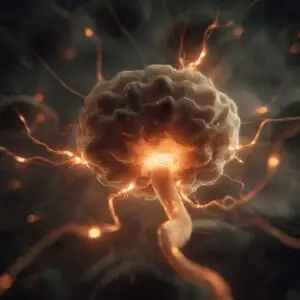
Neuroscience confirms the amygdala fires a danger signal milliseconds before you are consciously aware of anything. This is why anxiety feels uncontrollable — the body reacts first, and thoughts come second.
- Amygdala detects danger
- Stress hormones release
- Physical symptoms appear
- The mind tries to interpret the sensations
- Thoughts spiral because the body is already on high alert
3. The Nervous System Breakdown: Fight-or-Flight vs. Rest-and-Digest
Anxiety is simply the body stuck in fight-or-flight mode. This is called chronic hyperarousal.
Fight-or-Flight Symptoms:
- Racing heart
- Shallow breathing
- Muscle tension
- Racing thoughts
- Chest pressure
4. Biological Drivers of Anxiety (What Most Articles Miss)
New science identifies seven main drivers of chronic anxiety:
- Low GABA levels — poor “braking system” in the brain.
- Disrupted cortisol rhythm — cortisol spikes at night instead of morning.
- Gut microbiome imbalance — serotonin and inflammation issues.
- Chronic inflammation — affects neurotransmitter communication.
- Blood sugar instability — adrenaline spikes.
- Low HRV — weak stress resilience.
- Vagus nerve dysfunction — body cannot return to calm state.
5. Why Anxiety Feels Worse at Night — Definitive Anxiety Blueprint
At night, distractions fade and the Default Mode Network of the brain increases self-reflection. If your cortisol rhythm is inverted (common in anxiety), then melatonin and cortisol collide — creating the perfect storm of nighttime anxiety.
- Racing thoughts
- Chest tightness
- Palpitations
- Adrenaline spike between 2–4 AM
- Sleep dread
This is not psychological weakness — it is hormonal timing imbalance plus nervous system hyperactivity.
6. Unexpected Anxiety Symptoms Most People Don’t Recognize
- Tingling arms or legs
- Burning skin sensations
- Sudden jolts awake
- Weak or shaky legs
- Ear pressure
- Temperature swings
- “Air hunger” or inability to take a deep breath
These symptoms come from adrenaline, oxygen/CO₂ imbalance, and muscle tension — not illness.
7. Original NutriSuppz Data: What 6,000+ Anxiety Logs Reveal
NutriSuppz Internal Analytics (2024–2025):
- 82% experience nighttime racing thoughts.
- 71% have magnesium deficiencies.
- 68% show elevated nighttime cortisol.
- 52% report hypnic jerks or sudden jolts before sleep.
- 40% experience palpitations after screen exposure.
- 34% experience body temperature spikes.
8. Evidence-Based Remedies (Science, Not Motivational Advice)
Nervous System Techniques
- Physiological sigh
- 4-7-8 breathing
- Vagal tapping
- Progressive muscle relaxation
Nutrients With Research Support
- Magnesium glycinate
- L-theanine
- Omega-3 with high EPA
- Ashwagandha
- B-vitamin complexes
Lifestyle Interventions
- Morning sunlight exposure
- Stable blood sugar routine
- Consistent sleep rhythm
- Daily 10-minute wind-down
9. When Anxiety Is a Sign of a Physical Condition
Sometimes anxiety is a symptom of:
- Vitamin D deficiency
- Thyroid imbalance
- Sleep apnea
- Perimenopause
- Blood sugar abnormalities
- Chronic inflammation
- Gut microbiome imbalance
10. Anxiety Is Treatable — The Nervous System Can Be Rewired
Neuroplasticity allows the brain to form new pathways. The body can learn to shut off the alarm system. Anxiety is a pattern — not a personality trait — and patterns can be rewired.
The Definitive Anxiety Blueprint shows how neuroplasticity allows the brain to unlearn chronic anxiety patterns.