
31 May Why Do I Feel Anxious for No Reason?
Why Do I Feel Anxious for No Reason?
Many people ask themselves the same question: “Why do I feel anxious for no reason?” You may be sitting at home, watching television, spending time with family, or trying to relax when a wave of anxiety suddenly appears.
Your heart may race. Your stomach may feel uneasy. Your thoughts may become overwhelming. The strange part is that nothing seems wrong. There is no immediate danger, no obvious problem, and no clear explanation for why you feel this way.
While it may feel like anxiety is appearing out of nowhere, there is usually a reason beneath the surface. Understanding what may be contributing to these feelings is often the first step toward finding relief.
Quick Answer: Feeling anxious for no reason may be related to chronic stress, poor sleep, nervous system overload, excessive caffeine, emotional pressure, health issues, or an overactive fight-or-flight response.
The Truth About Anxiety That Seems Random
Anxiety rarely appears without a cause. The cause simply may not be obvious in the moment.
Your brain and nervous system are constantly gathering information from your environment, your thoughts, your sleep quality, your nutrition, your stress levels, and even your past experiences. Sometimes these factors build quietly in the background until your body reaches a point where anxiety symptoms begin to appear.
This is why many people feel anxious during seemingly normal moments. The nervous system may already be carrying a heavy load before the anxiety becomes noticeable.
Common Reasons You May Feel Anxious for No Reason
1. Chronic Stress Has Filled Your Bucket
Imagine stress as water filling a bucket. Each responsibility, deadline, financial concern, relationship challenge, or unexpected problem adds a little more water. Eventually the bucket becomes full.
At that point, even a small stressor can cause anxiety symptoms to overflow. What feels like anxiety for no reason may actually be the result of accumulated stress.
2. Your Nervous System Is Stuck in Survival Mode
The fight-or-flight response is designed to protect you from danger. However, long-term stress can cause the nervous system to remain activated even when there is no immediate threat.
When this happens, your body may continue producing physical anxiety symptoms such as a racing heart, muscle tension, restlessness, or feelings of unease.
3. Poor Sleep Is Affecting Your Mood
Sleep plays an important role in emotional balance. Even a few nights of poor sleep can make the nervous system more sensitive to stress.
Many people notice that their anxiety becomes stronger when they are tired, sleep deprived, or waking frequently during the night.
4. Too Much Caffeine or Nicotine
Caffeine and nicotine stimulate the nervous system. For some people, high amounts can create symptoms that closely resemble anxiety, including rapid heartbeat, nervousness, shakiness, and racing thoughts.
5. Your Mind Is Working Overtime
Sometimes anxiety appears when the brain becomes trapped in cycles of overthinking. You may not consciously realize how much mental energy is being spent analyzing problems, replaying conversations, or anticipating future events.
Over time, this mental workload can increase feelings of anxiety and emotional exhaustion.
6. Physical Health Can Influence Anxiety
Anxiety symptoms are not always purely emotional. Dehydration, blood sugar fluctuations, vitamin deficiencies, thyroid issues, medication side effects, and other health conditions can sometimes contribute to feelings of anxiety.
If anxiety symptoms appear suddenly or feel unusual, it is important to discuss them with a healthcare professional.
Why Anxiety Often Appears During Quiet Moments
Many people notice anxiety becoming stronger at night or during periods of rest.
During the day, work, conversations, errands, and responsibilities keep the brain occupied. When life becomes quiet, the nervous system has more opportunity to notice sensations, worries, and unresolved stress that may have been sitting beneath the surface.
This is one reason anxiety often feels more intense before bed or during moments when you are trying to relax.
How to Support a Calmer Mind and Body
While there is no single solution that works for everyone, many people find these habits helpful:
- Prioritize consistent sleep
- Reduce caffeine and nicotine intake
- Practice slow breathing exercises
- Take regular walks and physical activity breaks
- Spend time outdoors
- Eat balanced meals throughout the day
- Limit excessive news and social media consumption
- Build daily relaxation habits
Natural Ingredients That May Help Support Relaxation
Many people explore natural ingredients that support stress balance and emotional wellness. Certain herbs, amino acids, vitamins, and minerals have traditionally been used to promote relaxation and support a healthy stress response.
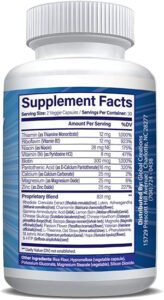
Examples include Ashwagandha, Rhodiola, GABA, L-Theanine, Lemon Balm, Chamomile, Passion Flower, Valerian Root, Magnesium, B Vitamins, Bacopa, Skullcap, Magnolia Bark, and 5-HTP.
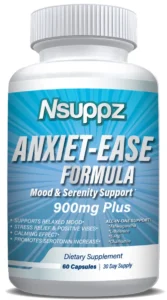
NutriSuppz Anxiet-Ease Support
NutriSuppz Anxiet-Ease combines calming herbs, adaptogens, amino acids, vitamins, and minerals designed to support relaxation, emotional wellness, and a balanced nervous system.*
Frequently Asked Questions
Can anxiety happen for no reason?
Anxiety often feels random, but there is usually an underlying factor such as stress, poor sleep, nervous system activation, caffeine, or emotional overload.
Why do I feel anxious when everything is fine?
The nervous system can remain activated even when there is no immediate threat. Chronic stress may continue affecting the body long after stressful events have passed.
Can lack of sleep cause anxiety?
Yes. Poor sleep can increase stress sensitivity and make anxiety symptoms more noticeable throughout the day.
Final Thoughts
If you feel anxious for no reason, remember that anxiety rarely appears without a cause. Stress, sleep, nervous system overload, lifestyle habits, and physical health factors can all influence how you feel.
Understanding these influences can help you take practical steps toward supporting a calmer, healthier, and more balanced mind and body.
*These statements have not been evaluated by the Food and Drug Administration. This product is not intended to diagnose, treat, cure, or prevent any disease.
No Comments