
31 May How to Calm an Overactive Nervous System Naturally
How to Calm an Overactive Nervous System Naturally
If you constantly feel tense, restless, overwhelmed, or unable to relax, you may be dealing with an overactive nervous system. Many people assume these feelings are simply part of modern life, but they are often signs that the body’s stress response has been working overtime.
When the nervous system stays activated for long periods, even small challenges can feel exhausting. You may notice a racing heart, poor sleep, muscle tension, brain fog, digestive discomfort, or the feeling that your body never fully switches off. The good news is that there are natural ways to help your nervous system feel safe, supported, and balanced again.
Quick Answer: To calm an overactive nervous system naturally, focus on quality sleep, slow breathing, daily movement, balanced nutrition, stress management, and relaxation-supporting nutrients that help the body recover from chronic stress.
What Is an Overactive Nervous System?
Your nervous system acts as the body’s communication network. It constantly monitors your environment and determines whether you are safe or whether you need to prepare for action.
During periods of stress, the nervous system activates the fight-or-flight response. This is useful when facing real danger. However, ongoing stress from work, relationships, finances, poor sleep, illness, or excessive stimulation can cause the nervous system to remain activated long after the stressful event has passed.
Signs Your Nervous System May Be Overactive
Common signs include:
- Racing heart or heart palpitations
- Difficulty relaxing
- Overthinking and excessive worry
- Muscle tension
- Trouble sleeping
- Feeling constantly on edge
- Brain fog and poor concentration
- Digestive discomfort
- Fatigue despite adequate rest
- Increased sensitivity to stress
1. Practice Slow Breathing Daily
Breathing is one of the fastest ways to communicate safety to the nervous system. Slow, controlled breathing can help activate the body’s relaxation response and reduce feelings of tension.
Try inhaling through your nose for four seconds, holding briefly, and exhaling slowly for six seconds. Even a few minutes per day can help calm an overactive nervous system.
2. Prioritize High-Quality Sleep
Sleep is when the nervous system repairs and resets. Poor sleep can increase stress hormone levels and make it harder for the body to regulate emotions and energy.
Aim for a consistent sleep schedule and create a relaxing bedtime routine. Limiting screen exposure before bed may also help support deeper rest.
3. Move Your Body Every Day
Stress creates energy in the body. Physical activity helps release some of that energy and signals that the threat has passed.
You do not need intense workouts. Walking, stretching, yoga, swimming, or light resistance training can all support nervous system balance.
4. Reduce Stimulants
For some individuals, excessive caffeine, nicotine, and energy drinks may increase feelings of nervousness or restlessness. If you frequently feel wired or anxious, consider reducing stimulant intake and observing how your body responds.
5. Spend Time Outdoors
Nature can have a calming effect on the nervous system. Fresh air, sunlight, and gentle movement outdoors may help lower stress and improve overall wellbeing.
Even a short walk in a park or quiet neighborhood can help interrupt the stress cycle and encourage relaxation.
6. Support Your Body With Proper Nutrition
The nervous system depends on a steady supply of nutrients to function properly. Skipping meals, consuming excessive sugar, or relying heavily on processed foods may contribute to energy crashes and increased stress sensitivity.
Focus on balanced meals containing protein, healthy fats, vegetables, fruits, and complex carbohydrates to support stable energy levels throughout the day.
Natural Ingredients That May Help Support Relaxation
Many people use natural ingredients to support relaxation and emotional wellness. Research continues to explore the role of herbs, amino acids, vitamins, and minerals in helping the body manage stress.
Commonly used ingredients include:
- Ashwagandha
- Rhodiola Rosea
- L-Theanine
- GABA
- Lemon Balm
- Passion Flower
- Chamomile
- Valerian Root
- Magnesium
- B Vitamins
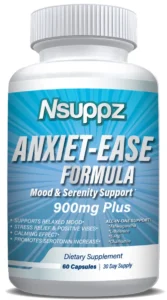
NutriSuppz Anxiet-Ease Support
NutriSuppz Anxiet-Ease combines Ashwagandha, Rhodiola, GABA, L-Theanine, Lemon Balm, Passion Flower, Valerian Root, Magnesium-supporting nutrients, B vitamins, and other carefully selected ingredients designed to support relaxation, emotional wellness, and a balanced nervous system.*
When Should You Seek Medical Advice?
If symptoms become severe, persistent, or interfere with your daily life, it is important to speak with a healthcare professional. Physical symptoms such as chest pain, fainting, severe shortness of breath, or sudden changes in health should always be evaluated promptly.
Frequently Asked Questions
What causes an overactive nervous system?
Common causes include chronic stress, poor sleep, emotional pressure, illness, excessive stimulant use, and prolonged anxiety.
Can an overactive nervous system make you tired?
Yes. Constant activation of the stress response requires energy and may eventually contribute to fatigue and exhaustion.
How long does it take to calm the nervous system?
The timeline varies. Some people notice improvements within days, while others may require weeks or months of consistent stress-management practices.
Final Thoughts
Learning how to calm an overactive nervous system naturally starts with understanding the signals your body is sending. A racing heart, poor sleep, tension, overthinking, and fatigue are often signs that your stress response needs support.
Through better sleep, mindful breathing, daily movement, balanced nutrition, and healthy stress-management habits, you can help your nervous system move away from survival mode and toward a calmer, more balanced state.

*These statements have not been evaluated by the Food and Drug Administration. This product is not intended to diagnose, treat, cure, or prevent any disease.
No Comments